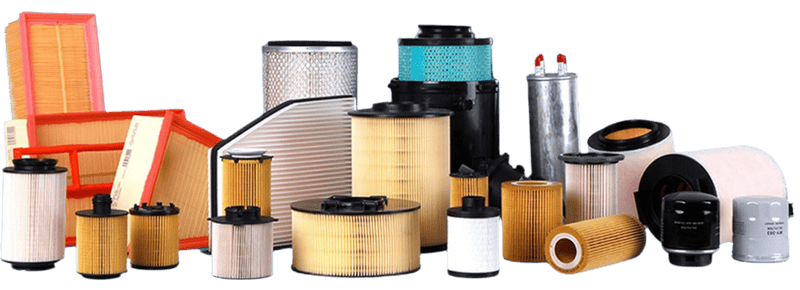
For automotive parts distributors, workshop operators, and drivers alike, selecting the right cabin air filter is more than a routine maintenance checkbox. It directly impacts cabin air quality, passenger health, and the longevity of the vehicle’s HVAC system. When navigating the aftermarket, the primary decision comes down to two choices: a standard particulate filter or an upgraded activated carbon model.
While both variants fit the same housing and serve to clean incoming air, their underlying technology, performance capabilities, and price structures diverge significantly. Understanding these distinctions is critical for optimizing product assortments, maximizing profit margins, and meeting customer expectations.
What Is a Standard Particulate Cabin Filter?
A standard cabin air filter, frequently referred to in the industry as a particulate filter or dust filter, represents the traditional OEM-equivalent baseline. This option is typically constructed from layered non-woven fabric or cellulose media arranged in a pleated design to maximize surface area.
Key Technical Profiles:
- Primary Function: Mechanical trapping of capture dust, dirt, pollen, soot and larger airborne debris, preventing from entering the ventilation system.
- Filtration Efficiency: Captures 80% to 90% of particulate matter measuring 5 microns (μm) and larger.
- Cost Structure: Lowest price point, , positioning it perfectly for high-volume replacement markets and budget-conscious fleet accounts.
- Optimal Applications: Best suited for vehicles operating in regular urban driving, rural, low-traffic areas, or geographic regions with minimal industrial pollution.
Standard particulate filters remain a staple of the global automotive aftermarket, offering reliable, essential protection against mechanical wear on the blower motor while ensuring basic passenger comfort.
What Is an Activated Carbon Cabin Filter?
An activated carbon cabin filter adds a dedicated layer of high-grade a dedicated layer of granulated or matrix-bound activated carbon on top of the particulate filtration layer. The porous carbon structure adsorbs gaseous pollutants, odors and chemical fumes that standard paper filters cannot stop.
The defining characteristic of activated carbon is its immense internal surface area, created through controlled thermal or chemical activation. This porous architecture acts like a chemical sponge, trapping gaseous pollutants via molecular adhesion (adsorption)—a feat impossible for standard paper or fabric media.
Key Technical Profiles:
- Primary Function: Dual-action performance—simultaneous mechanical particle filtration and molecular gas/odor adsorption.
- Filtration Efficiency: traps 90%+ of particles plus exhaust fumes, VOCs, gasoline odors and ozone.
- Cost Structure: Mid-to-premium price bracket
- Optimal Applications: Highly recommended for high-traffic urban areas, polluted environments, heavy industrial zones, tunnel driving, and premium or commercial vehicle segments where passenger wellness is prioritized.
Premium manufacturers frequently utilize premium coconut shell-derived activated carbon. This material provides significantly higher micropore density, better adsorption performance and a longer functional service lifespan compared to cheaper, coal-based alternatives.
Core Differences: Standard vs Carbon Cabin Filters
When evaluating inventory allocation or advising clients, comparing these components across key operational benchmarks provides a clear roadmap for selection:
| Performance Metric | Standard Particulate Filter | Activated Carbon Filter |
|---|---|---|
| Filtration target | Solid airborne particles only (dust, soot, pollen) | Solid particles plus toxic gases, chemical fumes, and odors |
| Pollen & dust protection | Good protection against coarse pollen and dust | Excellent protection; neutralizes fine smog particles and microscopic allergens |
| Odor & exhaust removal Minimal | Minimal to none | Highly effective at neutralizing highway exhaust odors |
| Initial Airflow Resistance | Extremely low resistance | Slightly higher initial restriction (engineered within OEM tolerance limits) |
| Average Service Lifespan | 15,000 to 20,000 km (depending on operating environment) | 10,000 to 15,000 km (carbon saturates progressively over time) |
| Replacement cost | Lower | 30–60% higher |
The most notable functional difference is odor control. Standard filters do almost nothing to remove exhaust smells, gasoline fumes or musty HVAC odors, while carbon filters significantly reduce these irritants for a noticeably cleaner interior experience..
Which Type Should You Choose?
From an procurement and distribution standpoint, inventory selection should align precisely with target demographics, regional environmental regulations, and consumer purchasing power.
Allocate inventory toward standard cabin filters if: Your customer base operates primarily in rural or low-traffic regions, your primary focus is satisfying high-volume budget aftermarket segments, or you supply entry-level fleet operations where lower operating costs override premium comfort demands.
Shift your focus toward activated carbon cabin filters if: You supply dense metropolitan distribution networks, cater to regions facing strict air quality standards, or service premium mechanical workshops and luxury vehicle dealerships where clients are willing to invest in superior interior cabin climate and comfort-focused.
For most European and North American urban markets, activated carbon cabin filters are the fastest-growing premium segment due to increasing driver awareness of interior air quality.
Addressing Common Industry Misconceptions
Two prevalent myths frequently complicate cabin filter sales and client consultations:
Myth 1: Carbon Filters Restrict Airflow and Damage HVAC Systems
A common myth is that carbon filters significantly reduce HVAC airflow. When manufactured to correct specifications with properly designed pleat structure, quality carbon filters maintain airflow within OEM acceptable ranges and do not cause blower strain. Low-quality cheap carbon filters with poor construction are the main cause of airflow issues.
Myth 2: All Carbon Filters Offer Identical Performance
In reality, Carbon grade, carbon content and production process of carbon used varies drastically across the manufacturing landscape. Premium aftermarket options feature a robust media weight containing 40 to 60 grams of activated carbon per square meter. While budget options may utilize less than 20 grams per square meter, offering minimal odor adsorption while saturating almost immediately.
Commercial Recommendation for Wholesale Buyers
For wholesale buyers and repair chains, we recommend stocking both types to cover different customer segments. Standard filters serve the price-sensitive volume market, while carbon filters address premium and comfort-focused customers with higher profit margins
As a leading international manufacturer, Buket Auto Parts supplies both standard and activated carbon cabin air filters in OE-equivalent quality for all major vehicle brands. We also offer HEPA grade and antibacterial options for specialized applications.
Contact our team for wholesale pricing and sample requests.
Ready to optimize your supply chain with reliable, factory-direct filtration solutions? Explore our complete product catalog and connect with us today for bulk order price or sample by visiting our wholesale cabin air filters procurement team.
Contact us today to discuss your filter supply requirements.